Biomedical and Electrical Engineering @ Duke University
Professional Experience
Community Service
About Me
Currently: Durham, NC
Home: Minneapolis, MN
I am a senior biomedical and electrical engineering student at Duke University with hands-on experience in medical device design, firmware development, and clinical-focused engineering projects. I’ve worked across the full development cycle, from early problem definition and prototyping to testing and validation, through internships, research, and senior design work. I’m particularly motivated by projects that directly impact patient care and user experience. Outside of academics, I enjoy fitness, community service, and tutoring, which have strengthened my communication skills and ability to work with diverse populations. I’m excited to bring a technically strong, patient-centered mindset to a fast-paced, mission-driven organization.
Projects
Automated Blood Perfusion Monitor (In-Progress)
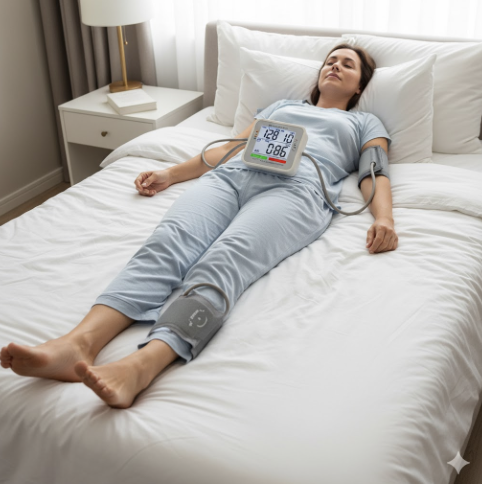
● Working on an FDA/ISO compliant design and prototyping effort (problem definition, gap analysis, design inputs, concept screening) to develop an at-home, noninvasive blood perfusion monitor
● Using an Arduino microcontroller to control inflation and deflation through a series of DC pumps and solenoid valves as well as an MPX5100 Pressure Sensor
DOCUMENTATION COMING SOON
Duke BME Senior Design
Aug 2025 - Present
BLE ECG Device + Temperature Sensing
● Built an ECG device with temperature sensing and bluetooth capabilities utilizing important firmware techniques like ADC, PWM, and serial communication through UART and I2C
● Firmware designed using Nordic state machine framework on the Zephyr Real-Time Operating System allowing for instantaneous ECG and temperature readings
● Periodic notifications to mobile app with diagnostic information
DOCUMENTATION COMING SOON


Embedded Medical Devices (BME554)
Aug 2025 - Dec 2025
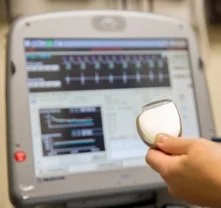
Bench Top Pacemaker
Medical Instrumentation (BME354)
Jan 2025 - May 2025
● Designed and implemented a benchtop cardiac pacemaker capable of sensing and stimulating a frog heart using integrated analog circuitry and microcontroller control
● Built a complete ECG sensing front-end, including differential pre-amplification, band-pass filtering (1–30 Hz), high-gain amplification, and comparator-based QRS detection
● Programmed an Arduino-based VVI pacemaker, detecting R-peaks, enforcing a lower rate interval (LRI), and delivering stimulation pulses when intrinsic beats were absent
● Characterized cardiac tissue by experimentally determining rheobase (0.069 mA) and chronaxie (80 ms) to ensure safe and reliable electrical stimulation
● Designed a transistor-driven stimulation circuit to deliver controlled, physiologically appropriate pulses exceeding minimum excitation thresholds
● Added temperature-based rate modulation using a thermistor, dynamically adjusting pacing rate to reflect metabolic demand
● Validated system performance through oscilloscope measurements, statistical testing of heart-rate detection accuracy, and functional pacing demonstrations
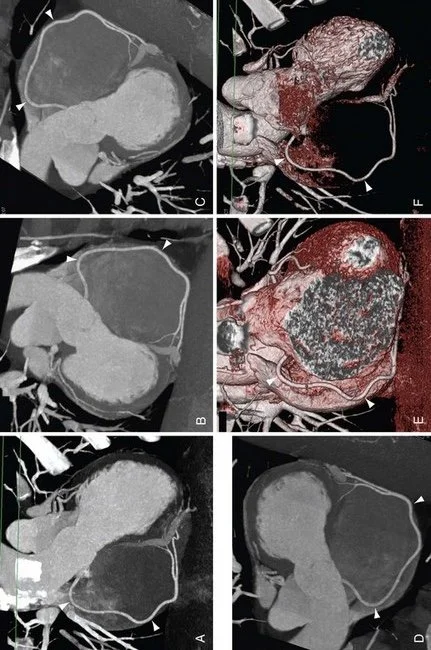
Post Cardiology Image Processing Algorithm
Medical Imaging Systems (BME303)
Jan 2025 - May 2025
● Investigated how image post-processing techniques (blurring, sharpening, and edge detection) can reduce diagnostic error and improve localization of regions of interest in medical X-ray images
● Implemented and compared convolutional kernels (Gaussian blur, sharpen, Sobel, Prewitt, Laplacian) to evaluate tradeoffs between noise suppression, resolution, and signal-to-noise ratio (SNR)
● Quantitatively analyzed phantom X-ray images across varying radiation fluence levels, demonstrating that blurring significantly improves SNR at low dose conditions
● Applied edge-detection pipelines to real patient mammogram images, assessing how preprocessing order (blur vs sharpen) affects tumor visibility
● Demonstrated that blur → edge detection enhances tumor contrast, while sharpening amplifies noise and degrades diagnostic clarity
● Framed results in the context of clinical decision support, highlighting how these kernels form the foundational layers of convolutional neural networks (CNNs) for medical imaging
Computer Model of Epinephrine Secretion
Modeling Molecular Systems (BME260)
Jan 2024 - May 2024
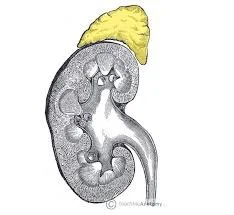
● Developed a multi-compartment physiological model of epinephrine dynamics across major organ systems (heart, lungs, liver/kidney, adrenal glands, and peripheral tissues) using mass-balance differential equations and receptor-ligand kinetics
● Simulated steady-state, fight-or-flight, and EpiPen injection scenarios, capturing time-dependent epinephrine accumulation and clearance consistent with reported human pharmacokinetics and physiology
● Integrated adrenergic receptor binding (α, β₁, β₂) to link molecular-level interactions with system-level outputs including cardiac output, respiratory rate, and blood glucose concentration
● Demonstrated clinically relevant insights, showing that pharmacologic epinephrine produces larger and longer-lasting increases in cardiac output, ventilation, and glucose availability than endogenous stress responses
Low-Cost Delivery Assist Devices
Engineering 101 (EGR101)
Aug 2022 - Dec 2022
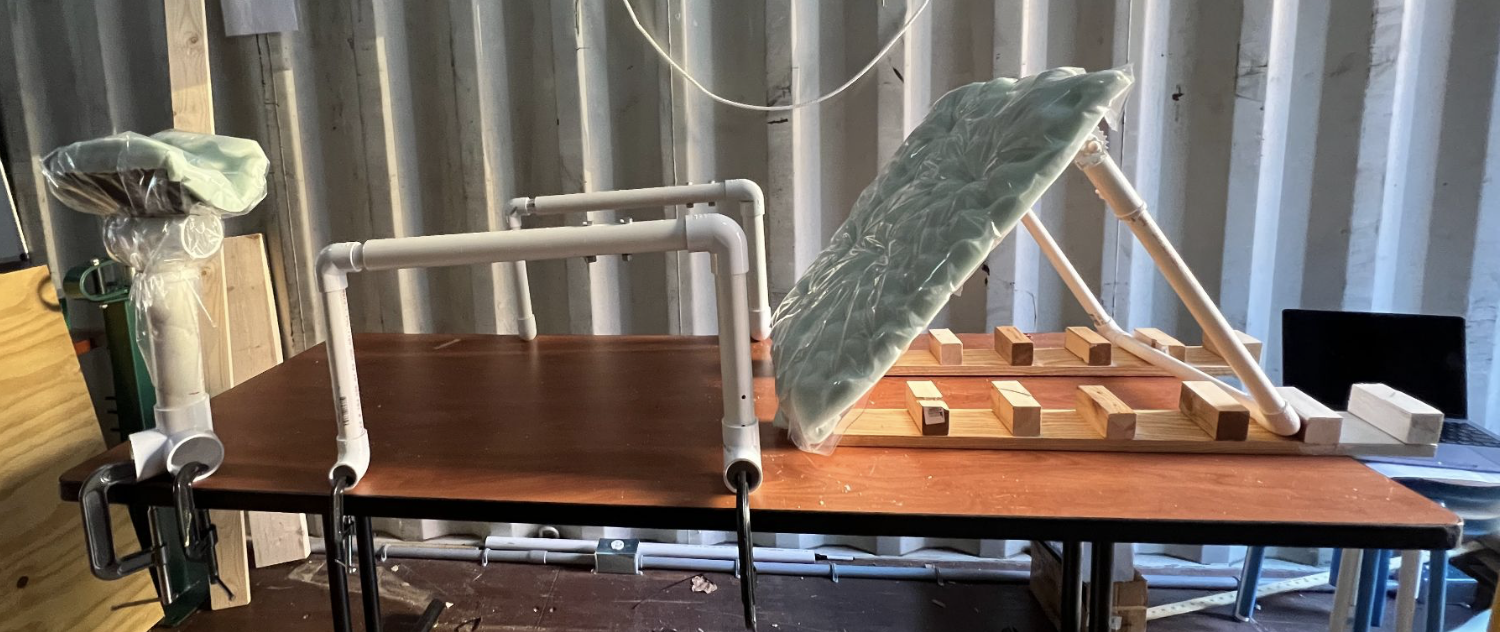
● Partnered with Makerere University in Uganda to research, prototype, and test low-cost delivery-assist devices for pregnant women to attach to basic tables
● Attachments included back rest, arm rests, and leg stirrups, all engineered out of wood, PVC, foam, and cloth in a simulated environment so all parts can be reproduced in Uganda
● Prototypes and blueprints were shared with doctors and engineers at Makerere University
Modeling Risk of Injury in Tennis Serves
Johns Hopkins BME Innovation (High School)
May 2021 - Aug 2021
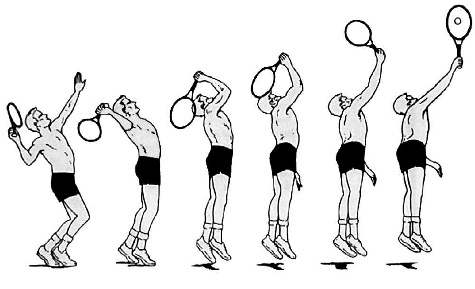
● Designed and executed a biomechanics-focused study analyzing injury risk across flat, slice, and kick tennis serves using experimental data and physics-based modeling
● Collected serve speed data using a radar gun, computed mean velocities, and applied the impulse–momentum theorem to estimate racket-to-ball forces for each serve type
● Developed free-body diagrams for each serve to model force distribution across the forearm, wrist, triceps, deltoid, and upper arm muscles
● Integrated published bio-mechanical and clinical literature to link calculated forces to known overuse injuries (e.g., scaphoid stress fractures, shoulder strain)
● Quantitatively demonstrated that although the kick serve produces lower ball speeds, it imposes higher injury risk due to increased shoulder and triceps loading, especially under poor technique
● Synthesized experimental data, mechanical modeling, and physiological insight to generate evidence-based recommendations for injury prevention through proper form and load distribution
Professional Experience
R&D Intern @ Vantive
May 2025 - Aug 2025
● Initiated development of a sound measurement project from inception, identifying a major opportunity to optimize company resources and significantly reduce costs and time in the early stages of product development
● Gained experience using Simulink to create models for sound acquisition as well as LTSpice in designing circuitry
● Created higher-fidelity housings for the microphones and electronics using SolidWorks and protoboards
Firmware Intern @ RxFunction
May 2024 - Aug 2024
● Created frameworks for existing/new docker containers to accelerate firmware and software development
● Adapted Protocol Buffer (protobuf) files for serial communication between the device and developer’s computer
● Developed a custom command line interface to use the protobuf files to send specific commands to device